
What Does a Residential Contractor Do in Oregon?
A residential contractor plans and carries out construction work on homes, and in Oregon the one fact that matters most before you hire is whether the Construction Contractors Board (CCB) has licensed them. This guide explains the role, the license types the CCB lists, and the checks and contract terms the CCB recommends.
Key Takeaways
- Five CCB License Types: Oregon’s CCB lists five residential license categories: General, Specialty, Limited, Restoration, and Developer.
- Updated 2024 Bond Amounts: Surety bond amounts increased on January 1, 2024. Residential General Contractor surety bonds are now $25,000 per the CCB.
- License Protection: The CCB advises homeowners to always check that anyone you hire is licensed. Using an unlicensed contractor means you forfeit the ability to recover damages through an Oregon surety bond.
- Mandatory Written Contracts: The CCB mandates that all construction agreements exceeding $2,000 must be in writing.
What Is a Residential Contractor?
Direct Definition: A residential contractor is an Oregon licensed business entity that plans, builds, remodels, or repairs residential homes for property owners. In standard trade practice, their responsibilities include project scoping, architectural estimating, subcontractor scheduling, trade coordination, and pulling municipal building permits and scheduling inspections.
The exact tasks performed vary by contractor and license classification. Some general contractors maintain internal framing, finish carpentry, and concrete crews, while subcontracting mechanical, electrical, and plumbing (MEP) trades. When interviewing candidates, always ask prospective contractors to specify exactly which scope items they execute in-house and which trades they subcontract.
The CCB’s official consumer guidance adds an important reality every homeowner should know: Oregon does not require most contractors to undergo formal construction training or trade apprenticeships to obtain a CCB license. Consequently, past project portfolios, verified client references, and demonstrable craftsmanship matter just as much as the state license number.
What Residential License Types Does Oregon Have?
The Oregon Construction Contractors Board (CCB licensing portal) establishes specific residential license classifications and statutory surety bond minimums. Effective January 1, 2024, the Oregon Legislature increased bond minimums across all residential categories:
| License Type | Bond Before 2024 | Bond from Jan. 1, 2024 |
|---|---|---|
| Residential General Contractor (RGC) | $20,000 | $25,000 |
| Residential Specialty Contractor (RSC) | $15,000 | $20,000 |
| Residential Limited Contractor | $10,000 | $15,000 |
| Residential Restoration Contractor | $10,000 | $15,000 |
| Residential Developer | $20,000 | $25,000 |
The CCB also states that statutory bond requirements increase by $5,000 for each additional CCB endorsement type held by the business. This bond adjustment does not alter commercial general liability insurance requirements, which remain separate policies designed to protect against third-party bodily injury and property casualty damage.
Additionally, contractors working on homes built prior to 1978 must hold an Oregon Lead-Based Paint (LBPR) Certification under specialty licensing rules. Because the CCB’s general licensing overview does not exhaustively catalogue trade-specific task permissions, homeowners should confirm permitted project scope directly with the CCB at 503-378-4621 rather than presuming permissions based solely on an endorsement title.
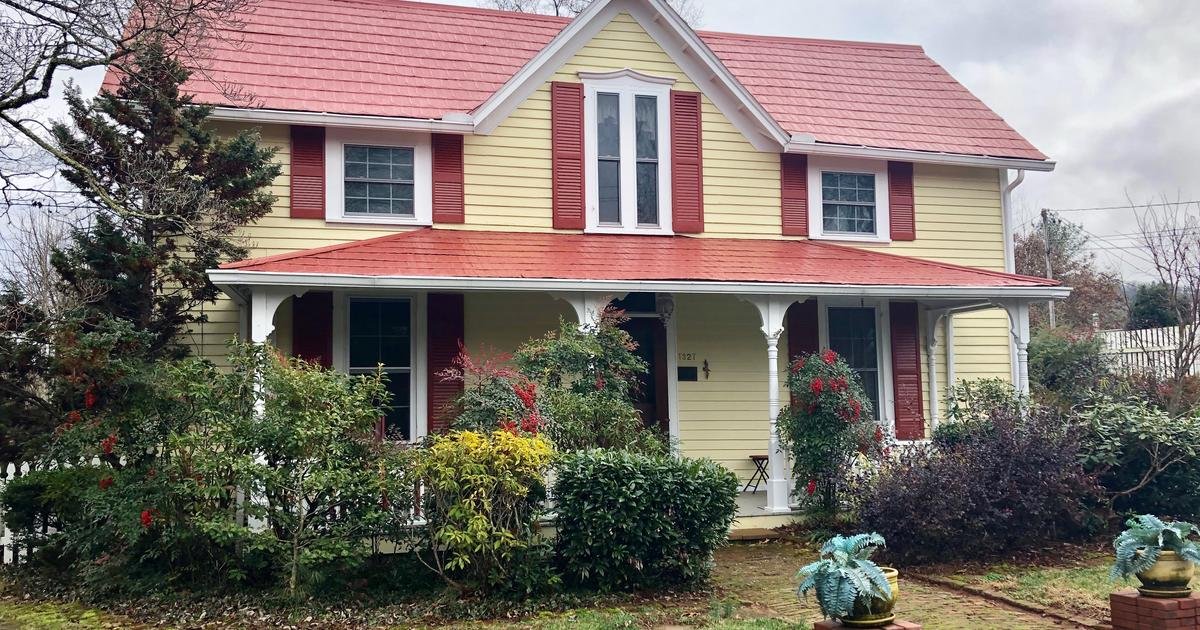
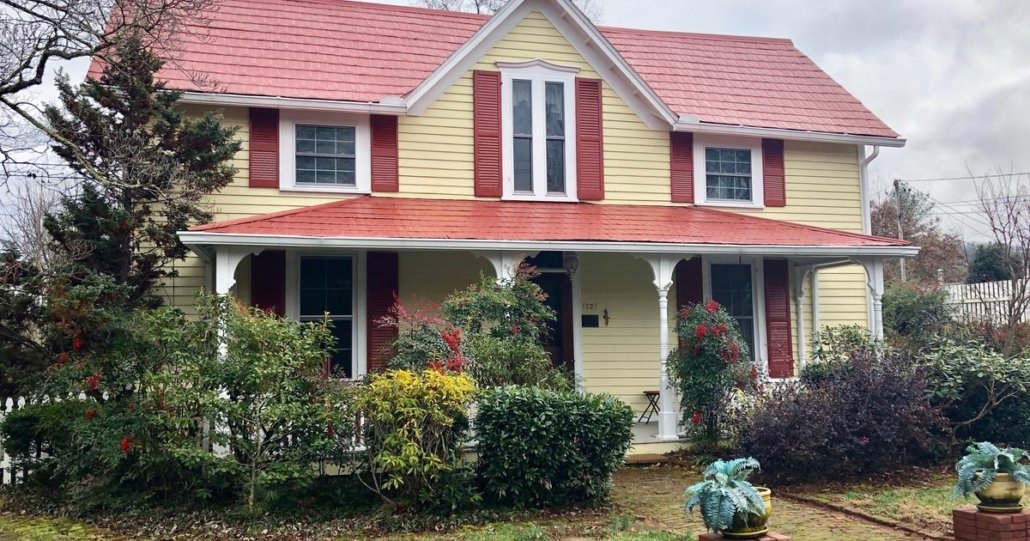
Historic residential architecture showcasing structural preservation, roofing, and siding restoration. (Cover image: Walter E. Moore House, CC0 by Warren LeMay via Wikimedia Commons).
Why Does the License Matter to You?
According to the CCB’s consumer tools directory, licensed contractors are legally required to carry both an active surety bond and active general liability insurance. If you hire an unlicensed contractor and they abandon the project, cause structural damage, or fail to pay suppliers (resulting in mechanics’ construction liens against your home), you completely lose access to bond compensation.
Furthermore, the State of Oregon provides formal dispute resolution and mediation services through the CCB. However, the agency is legally empowered to mediate claims only if the contractor was actively licensed at the time the contract was signed and the work was performed.
How Do You Check and Compare Contractors?
Before awarding a residential contract or making an initial deposit, follow the four essential verification steps outlined by the CCB:
- Look Up the CCB License: Visit the official CCB License Search database. Verify that the license status is Active, check the license endorsement type, review claim and suspension history, and confirm that the exact legal business name matches the entity named on your contract.
- Get Several Detailed Bids: The CCB strongly warns consumers never to agree to construction services on the spot or under high-pressure sales tactics. Solicit at least three written bids with identical scope specifications to compare realistic market rates.
- Check References and Past Work: Request contact info for recent clients whose projects match the size and architectural complexity of your proposed build or remodel. Inspect completed homes or active job sites whenever possible.
- Be Wary of Extremely Low Estimates: As the CCB cautions, unusually low bids often indicate that the contractor underestimated labor, omitted required permit fees, plan to cut structural corners, or will submit disruptive change orders mid-project.
What Should a Written Contract Include?
The CCB’s statutory advice is straightforward: “Always get a written contract that includes a detailed description of the work, materials, costs, start and end dates.” Under Oregon Revised Statutes, any home improvement or residential construction agreement with a total value exceeding $2,000 must be in writing.
Key contractual terms to enforce include:
- Detailed Material Specifications: Brand names, model numbers, dimensions, and finishes rather than ambiguous allowances.
- Written Change Orders: A clear provision mandating that all scope modifications, price changes, and timeline extensions must be signed in writing by both parties before work starts.
- Auditable Payment Schedules: Never pay 100% upfront and avoid cash transactions. Structure disbursements tied to verified construction milestones (e.g., foundation signoff, rough framing inspection, drywall finish).
- Legal Review: Have your own real estate or construction attorney review the contract before signing, particularly if the document includes mandatory binding arbitration clauses.
What If Something Goes Wrong?
If construction defects, delays, or contract disputes arise, the CCB recommends communicating with the contractor first in writing. If informal communication fails to produce a resolution, the CCB’s dispute framework requires sending a formal 30-day Pre-Complaint Notice to the contractor via certified mail prior to submitting a claim.
Homeowners must note that CCB complaints are subject to strict statutory deadlines (typically within one year of project substantial completion). A CCB complaint filing carries a $50 processing fee. For questions regarding eligibility or claim mechanics, contact the CCB dispute division directly at 503-378-4621.
Where Does Pluüm Construction Fit?
Pluüm Construction is a full-service, licensed, bonded, and insured Oregon residential general contractor operating under Oregon CCB #222934. Based in Portland, our team specializes in custom residential construction, high-performance home additions, structural remodeling, and ground-up builds throughout Portland, Beaverton, Lake Oswego, Tigard, West Linn, and Hillsboro.
We believe in absolute transparency: we encourage every Oregon homeowner to look up our CCB record on the state registry, verify our active liability insurance and $25,000 surety bond, and examine our track record across the Pacific Northwest.
Planning a Residential Project in Portland, OR?
Whether you are designing a custom addition, planning a whole-home renovation, or building from the ground up, partner with an Oregon licensed general contractor committed to on-time, on-budget craftsmanship.
Frequently Asked Questions
Is a residential contractor the same as a handyman?
The Oregon CCB’s official licensing directory does not recognize or define the term “handyman.” Under Oregon law, anyone who advertises, bids, or undertakes construction, home repairs, or structural remodeling for compensation must possess an active CCB license unless a narrow statutory exemption applies. Homeowners should consult the CCB at 503-378-4621 to verify whether planned home maintenance requires a licensed contractor.
Does a contractor surety bond protect me completely?
No. A surety bond is a vital financial safeguard—and Oregon raised residential general contractor bonds to $25,000 on January 1, 2024—but it does not guarantee unlimited recovery for catastrophic structural defects. The bond exists alongside commercial general liability insurance. Contact the CCB to understand how the claim distribution process functions in specific contractual dispute scenarios.
Can I hire someone with no license to save money?
You can legally assume the risk, but the CCB strongly warns that hiring unlicensed individuals strips away state consumer protections. You lose the ability to recover financial damages through an Oregon surety bond, and the CCB cannot arbitrate or mediate disputes with contractors who lacked an active license during your project.
Your Next Three Steps
When preparing for home improvements in Oregon, remember the three rules of consumer protection:
- Step 1: Look up the contractor’s license on the CCB License Search to ensure active status and bond compliance.
- Step 2: Solicit at least three written bids with comprehensive scope descriptions.
- Step 3: Execute a detailed written contract before any physical work begins or any funds change hands.
Sources & References
- Oregon Construction Contractors Board: Licensing, accessed 2026-10-23.
- Oregon Construction Contractors Board: Consumer Tools, accessed 2026-10-23.
- Oregon Construction Contractors Board: License Search, accessed 2026-10-23.
- Cover image: “Walter E. Moore House, Webster, NC (39650296463)” by Warren LeMay, CC0, via Wikimedia Commons.


Leave a Reply
Want to join the discussion?Feel free to contribute!