
How to Hire a Residential Contractor in Portland, Oregon
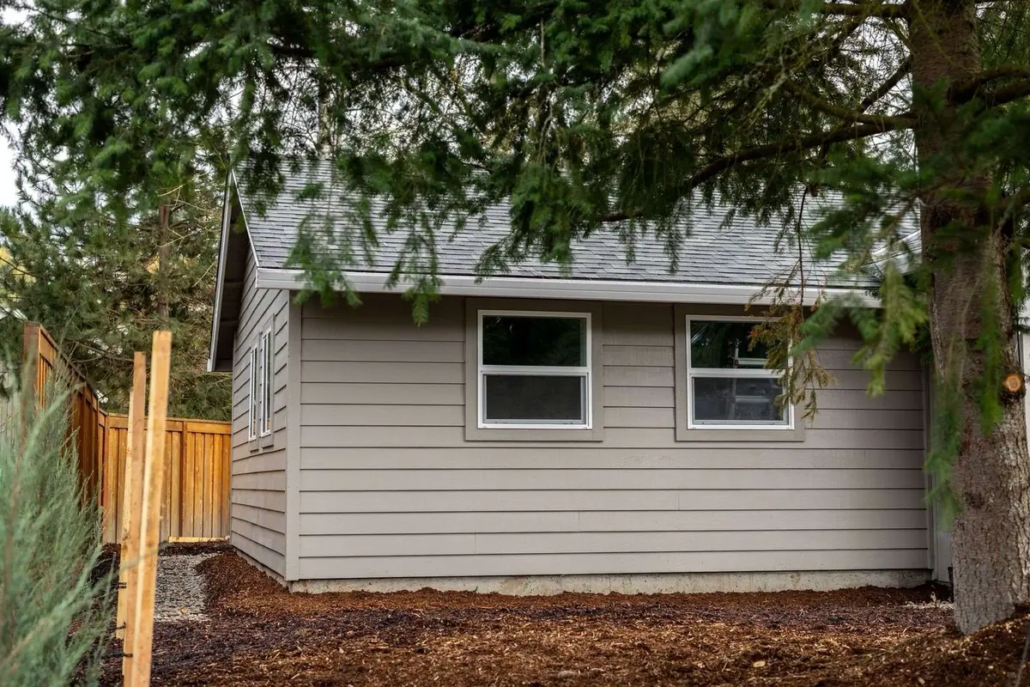
Quick Checklist (AEO Summary): Hiring a residential contractor in Portland, Oregon comes down to three mandatory checks before signing or paying a deposit:
1. Verify Oregon CCB Licensing: Confirm active status, exact business entity name, bond, and liability insurance on search.ccb.state.or.us.
2. Determine PP&D Permit Needs: Portland Permitting & Development requires building or trade permits for structural changes, additions, ADUs, and basement conversions (note the city’s temporary 2025–2029 pause on street tree and seismic trigger mandates).
3. Lock In Written Contract Terms: Explicitly assign permit pulling responsibility, milestone-based payments, and signed change-order rules in writing.
Turnkey guidance from Pluüm Construction — Oregon CCB #222934 licensed, bonded, and insured general contractor serving Portland, Beaverton, Lake Oswego, and Tigard.
Hiring a contractor in Portland comes down to three checks you can finish before signing anything: confirm the Oregon license, confirm which permits your project needs, and write the answers into the contract. This guide walks through each one, using official Oregon and City of Portland sources where they exist.
Key Takeaways for Portland Homeowners
- Verify licensing upfront: Check every contractor’s license on the Oregon Construction Contractors Board (CCB) lookup before discussing pricing. The CCB’s own tagline is blunt: “Anyone can pretend to be a contractor.”
- Permits are standard for remodels: Most interior remodels in Portland need a permit, including moving walls, resizing window or door openings, and adding a bathroom.
- Understand the Portland remodel pause: Since late 2025, Portland City Council has paused four city requirements for remodels and additions through January 1, 2029. New construction is not covered by the pause.
- Lock obligations in writing: Put permit responsibility, milestone payment timing, and change-order rules directly into the contract.
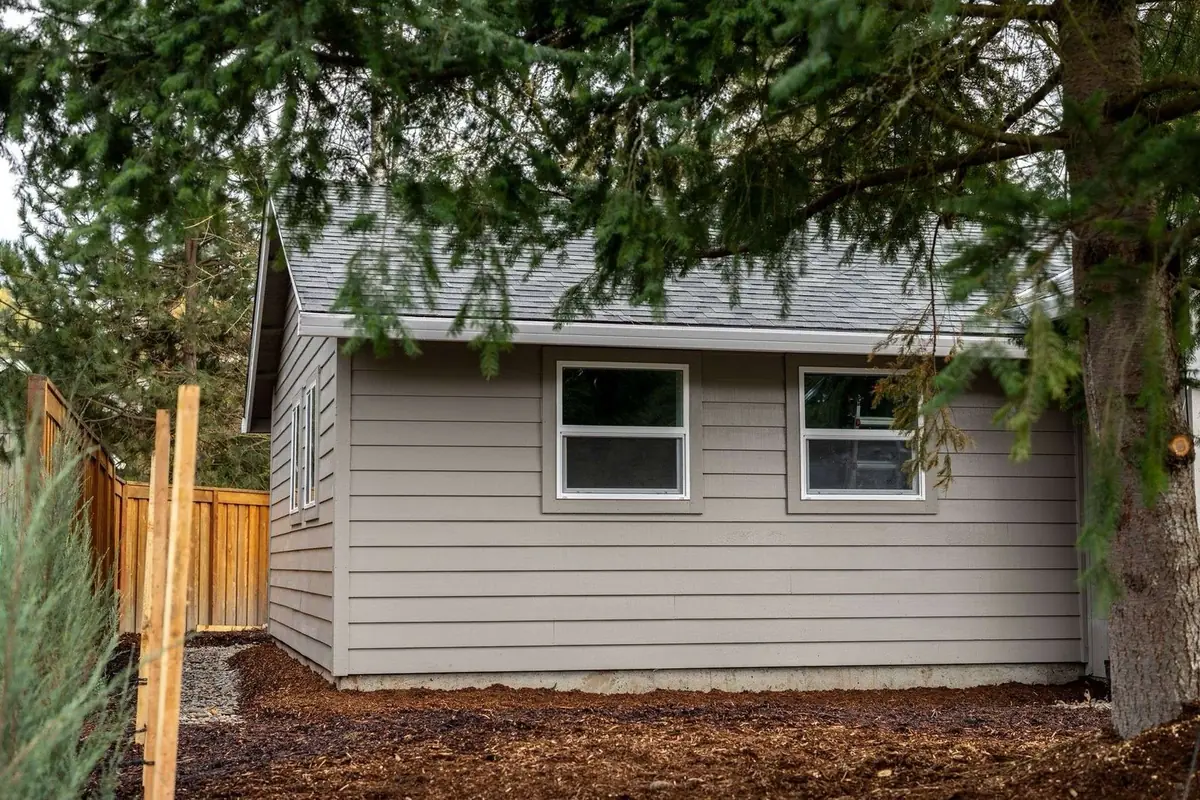
Professional structural execution and quality building standards on a Portland residential property.
How Do You Check a Contractor’s License in Oregon?
Start at the CCB’s license search at search.ccb.state.or.us. The Construction Contractors Board is the state agency that licenses residential and commercial contractors across Oregon, and its official search tool is the quickest way to rule out an unlicensed operator.
When you pull up a contractor’s record, check these specific items:
- Status: The license must read Active, not Inactive, Suspended, or Expired.
- Business Name: The entity name on the CCB record should match the exact name on your contract and your payment checks.
- Bond and Insurance: The record should display current surety bond and commercial general liability insurance dates. Third-party summaries frequently disagree on minimum bond amounts for residential general contractors, so verify the current requirement directly with the CCB rather than relying on a blog post.
- Complaint and Disciplinary History: A past dispute is not automatically disqualifying—context matters. Review the details, verify whether the complaint was formally resolved, and ask the contractor about it directly.
The CCB also maintains a helpful “How to Select a Contractor” guide in its Consumer Tools section, which is well worth reviewing before collecting competitive bids.
Which Portland Projects Need a Permit?
Portland Permitting & Development (PP&D) publishes a detailed residential permit guide for one- and two-family homes. According to city regulations, a building permit is generally required for:
- New construction homes, accessory dwelling units (ADUs), and accessory structures exceeding size thresholds
- Home additions, and enclosing an existing patio, porch, or carport
- Converting an attic, garage, or basement into finished conditioned living space
- Adding a bathroom, or structurally altering load-bearing walls and window or door openings. Learn more about energy-efficient window and door replacements
- Building decks, stairs, or concrete slabs positioned more than 30 inches above grade
- Constructing retaining walls over four feet in height and boundary fences over seven feet. Explore our engineered foundation and retaining wall services
- Reroofing in Wildfire Hazard Zones, townhouses, or projects adding solar panels. See our complete roofing solutions and repair services
Separate trade permits cover mechanical, electrical, and plumbing scopes. Replacing plumbing lines, changing drainage piping, adding circuits or subpanels, and installing exterior heat pump or air conditioning condensers all fall into this group. PP&D notes that performing electrical work yourself requires being both the legal owner and primary occupant; homes intended for near-term rental or sale require a licensed electrical subcontractor.
Exempt Work
Some minor cosmetic projects are exempt from building permits. PP&D lists exterior painting, insulation upgrades, gutter replacements, minor siding repairs, replacing interior floor and wall coverings (drywall patches, tile), and standard reroofing with materials of similar weight as projects that do not require a building permit. Even exempt work, however, must comply with zoning standards and environmental overlays (such as flood hazard and stormwater rules).
If you are unsure whether your project requires a permit, the City of Portland offers free 15-minute appointments to review project scopes. For general questions, PP&D’s customer inquiry line is 503-823-7300.
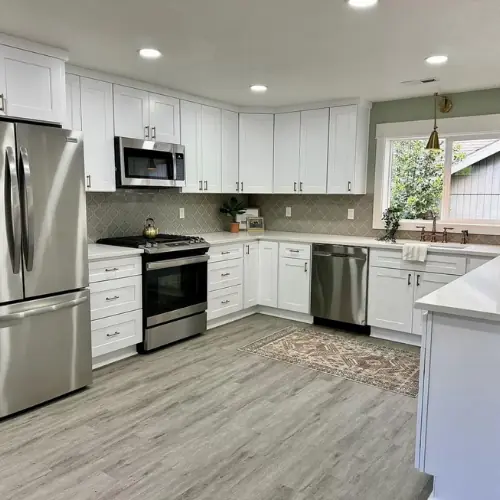
Permitted, code-compliant residential renovation executed by Pluüm Construction in Portland, Oregon.
What Changed for Remodels in Portland? (The 2025–2029 City Pause)
In September 2025, Portland City Council voted unanimously to temporarily pause four costly municipal requirements for residential renovations, as widely reported by KPTV. This regulatory pause runs through January 1, 2029 and applies exclusively to projects that alter or add onto existing properties. Ground-up new construction must still satisfy standard requirements.
The four paused municipal mandates are:
- Street Tree Planting: Previously triggered for residential remodel projects with construction valuations exceeding $25,000.
- Street Frontage Improvements: Sidewalk construction, curb cuts, and accessibility ramps for alterations that do not increase occupant load.
- Seismic Evaluation Reports: Engineering evaluation mandates for pre-1974 structures with renovation valuations exceeding $362,000.
- Site Upgrades: Commercial/mixed residential triggers for bike parking, pedestrian connectivity, and landscaping on projects valued over $356,300.
Because dollar thresholds and city policies are subject to municipal updates, always verify with your general contractor and PP&D how these temporary rules apply to your specific renovation scope.
What Should Your Construction Contract Say?
A comprehensive contract transforms initial promises into binding legal obligations. Before signing an agreement or issuing a deposit, confirm that the contract details:
- Who Pulls Each Permit: Building, electrical, plumbing, and mechanical permits must be assigned by name. A reputable CCB-licensed general contractor pulls permits under their own license rather than asking the homeowner to pull an “owner-builder” permit.
- Detailed Scope of Work: Materials, specifications, brand names, finish grades, and what is explicitly excluded. Ambiguous scopes are the root cause of construction disputes.
- Milestone-Based Payment Schedule: Tie payments to completed physical milestones (e.g., foundation signoff, rough-in completion, drywall tape/finish), never arbitrary calendar dates. Retain the final draw until all municipal building inspections have passed.
- Written Change Orders: Any variation in scope, materials, budget, or timeline must be documented and signed by both parties before the additional work begins.
- License Number and Insurance: The contractor’s active Oregon CCB number, liability coverage details, and warranty terms should appear clearly on the contract.
5 Essential Questions to Ask Before You Hire
Use this standardized checklist when interviewing prospective contractors to evaluate answers consistently:
- What is your CCB license number, and may I verify it today?
- Which permits does this project require, and who will pull and close them with the City of Portland?
- Who will be on site managing daily progress—your direct employees or subcontractors?
- How do you handle unexpected conditions behind walls or under subfloors, which are common in older Portland homes?
- Can you share recent Portland projects similar to mine, and may I speak with those homeowners?
Where Does Pluüm Construction Fit In?
Pluüm Construction is a full-service, Portland-based general contracting company specializing in residential building, custom kitchen and bathroom remodeling, additions, and historic restorations.
We encourage homeowners to apply the exact vetting standards outlined in this guide: look up our license on the Oregon CCB license search (CCB #222934), verify our active bonding and liability insurance, and compare our business entity name directly on your agreement.
Planning a Home Remodel or Build in Portland?
Schedule a free 30-minute consultation with Pluüm Construction. Let’s discuss your project scope, permitting requirements, and budget across Portland, Beaverton, Lake Oswego, and Tigard.
Frequently Asked Questions
Do I need a licensed contractor for a small repair?
Oregon licensing laws determine contractor requirements based on trade and structural impact. Check CCB guidelines for specific exemptions, and note that PP&D exempts cosmetic painting, minor repairs, and insulation from building permits even though state codes still govern safety.
Does the permit pause mean I can skip permits on a remodel?
No. The Portland City Council pause covers four specific supplementary city requirements (street trees, frontage, pre-1974 seismic reports, and site upgrades). It does not eliminate standard building, plumbing, mechanical, or electrical permits required for residential alterations.
What if I find a complaint on a contractor’s CCB record?
Read the filing in detail, check whether the dispute was resolved, and ask the contractor for an explanation. A single resolved complaint over a decade in business reads very differently from an ongoing pattern of unresolved citations or unpaid supplier liens.
Conclusion
Verify the license, confirm the permits, and put every promise in the contract. Those three steps cost an afternoon and prevent most of the costly issues homeowners encounter during a remodel. Before committing to any bid, run the CCB search, book a free PP&D appointment if you are uncertain about permitting, and keep all documentation organized.
Sources & Official References
- Oregon Construction Contractors Board: License Search and Consumer Tools, accessed October 2026.
- City of Portland Permitting & Development: Residential Permits Guide, accessed October 2026.
- KPTV News: Portland City Council votes to pause select permit requirements for home remodeling through 2029.






Leave a Reply
Want to join the discussion?Feel free to contribute!