
Hiring a Roofer in Portland, Oregon: Permits, Licensing and Contract Checks

Before a roofer climbs a ladder, three questions should be settled: does your reroof need a City of Portland permit, is the roofer licensed in Oregon, and is everything in a written contract? This guide answers each one using the City’s permit guidance and the Oregon Construction Contractors Board (CCB).
Key Takeaways
- Permit Exemption vs. Exceptions: Per the City of Portland, reroofing a single-family residence with material of similar weight does not need a building permit. However, reroofing in designated Wildfire Zones or on townhouses strictly requires a permit.
- CCB License Verification: Always verify a roofer’s active license and bond on the official CCB license search before accepting any bid or signing an agreement.
- Written Contract Mandate: Get several competitive bids and a detailed written contract. The CCB mandates that all construction agreements exceeding $2,000 must be in writing.
- Auditable Payments: Never pay the full amount upfront or in cash. Maintain a traceable paper trail for every progress milestone.
Does a Reroof Need a Permit in Portland?
Direct Answer: It depends on your property’s location and the materials being installed. According to the City of Portland’s official residential permit guide, replacing existing roofing with material of similar weight does not require a building permit for standard detached homes, but permits are mandatory in Wildfire Hazard Zones, for townhouses, or when adding rooftop solar systems.
| Roofing Situation | Building Permit Required? |
|---|---|
| Reroofing in a Wildfire Zone | Yes, per the City |
| Reroofing a townhouse | Yes, per the City |
| Adding solar panels to roof | Yes, per the City |
| Reroofing with material of similar weight | No building permit needed |
Work that is exempt from a building permit must still satisfy state building code and municipal zoning standards. Because the Wildfire Hazard Zone is a geographically mapped area, homeowners must confirm whether their parcel falls inside the boundary before assuming an exemption. The City offers an optional free 15-minute appointment for questions through its home projects portal, and the PP&D permitting assistance line is 503-823-7300.
Note: This guide does not state which roofing materials a wildfire area requires, because current municipal regulations and fire-resistive rating requirements should come directly from the City plans examiner rather than a summary.

Professional roof inspection in Portland: assessing shingle wear, underlayment condition, and flashing integrity before reroofing.
How Do You Check a Roofer’s License?
Always verify the roofing company on the official CCB license search. The CCB’s consumer tools page warns homeowners that if you hire an unlicensed contractor, you forfeit the legal ability to recover financial damages through an Oregon surety bond.
When reviewing the CCB registry record, confirm these four criteria:
- Active Status: Ensure the license is active with zero administrative suspensions or revocations.
- Exact Legal Name: Confirm the business name registered with the CCB matches the name on your contract, insurance certificates, and payment invoices.
- Bond and Insurance Currency: Verify that both the contractor’s surety bond and commercial general liability insurance are currently in force.
- Disciplinary History: Read any open or closed complaints on record and discuss any past resolutions directly with the roofer.
The City of Portland adds an enforceable requirement: contractors must be properly licensed to work in Oregon, and all municipal permit applications must list the roofer’s active CCB license number.
How Should You Compare Bids?
The CCB provides three fundamental rules for evaluating contractor bids:
- Get Several Bids Rather Than Deciding on the Spot: The CCB explicitly advises never to agree to buy roofing services on the spot or succumb to high-pressure discount pitches.
- Check References and Past Work: Because Oregon does not require most contractors to undergo formal construction trade training, reviewing verified past projects and client references is vital.
- Be Wary of Extremely Low Estimates: Unusually low bids often signal that the roofer omitted necessary flashing replacements, cut structural corners, or will submit disruptive change orders mid-installation.
Ask each prospective roofer to price the exact same scope of work so bids are truly comparable: specify what tear-off materials are removed, what underlayment and shingles are installed, what debris is hauled away, and who manages city permits if required.
What Should the Roofing Contract Say?
The CCB advises: “Always get a written contract that includes a detailed description of the work, materials, costs, start and end dates.”
- Statutory Written Rule: Agreements exceeding $2,000 must be in writing under Oregon law.
- Documented Change Orders: All scope modifications and price adjustments must be formally documented in writing.
- Auditable Payment Trail: Pay in a manner that creates an auditable record (check, card, electronic transfer). Never pay the entire contract sum upfront or in cash.
- Legal Review: Have an independent attorney review the contract before signing, especially if it contains mandatory arbitration clauses.
In addition, homeowners should document two crucial operational details: explicitly state who applies for and pays for the municipal permit if needed, and define how severe Pacific Northwest rain delays will be handled.
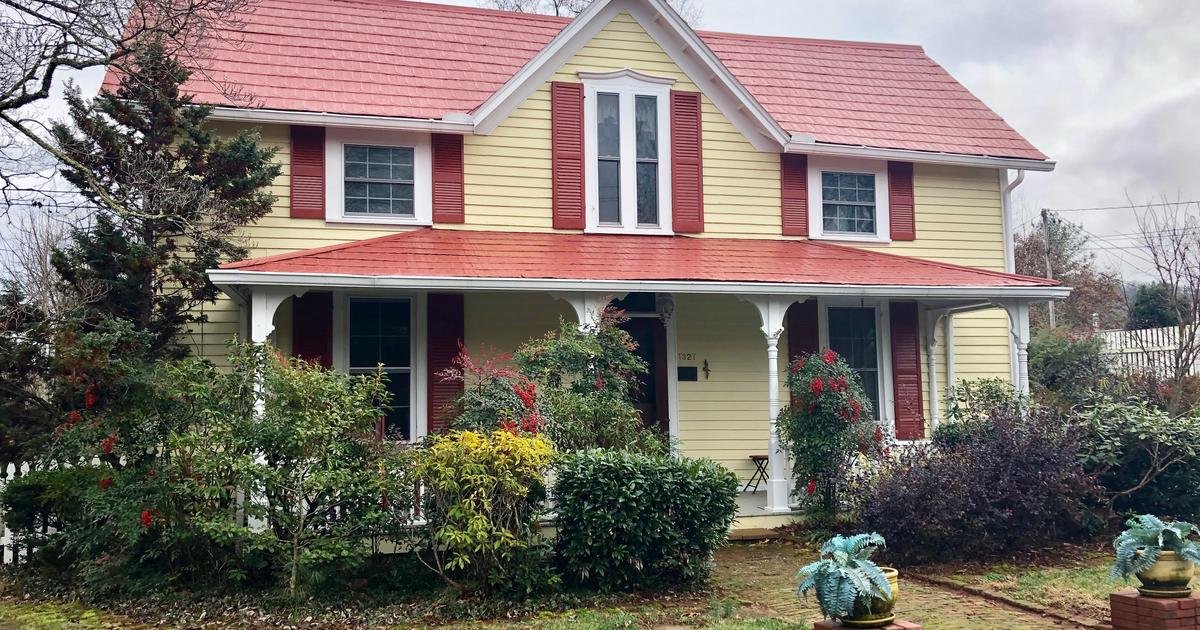
Historic and complex roof geometries require thorough contractual scope descriptions, flashing details, and licensed trade execution. (Image: Walter E. Moore House, CC0 by Warren LeMay via Wikimedia Commons).
What If Something Goes Wrong?
If defective workmanship, roof leaks, or contract disagreements arise, raise the issue with the roofer in writing first. The CCB provides mediation services, but only if the contractor was actively licensed during your project.
Prior to filing a formal CCB complaint, state rules require mailing the contractor a 30-day Pre-Complaint Notice by certified mail. Complaints are subject to strict statutory deadlines (typically within one year of project completion) and may require a $50 processing fee. For questions, call the CCB helpline directly at 503-378-4621.
Where Does Pluüm Construction Fit?
Pluüm Construction is an established Oregon general contractor operating under CCB #222934. While this article serves as a general consumer guide to hiring a roofer in Portland, our company delivers comprehensive roofing replacement and repair, residential building, and exterior restoration across Portland, Beaverton, Lake Oswego, Tigard, West Linn, and Hillsboro.
Whoever you choose for your roofing project, always look up their license on the CCB registry and confirm active bonding before signing.
Need a Trusted Roof Inspection or Replacement?
Schedule a thorough roof assessment with a licensed Oregon contractor committed to transparent contracts, code-compliant flashing, and reliable craftsmanship.
Frequently Asked Questions
Do I need a permit to replace my roof with the same material?
The City of Portland states that reroofing with a material of similar weight does not need a building permit, except in mapped Wildfire Hazard Zones and on attached townhouses, where permits are required. Always verify your specific parcel with the City before commencing work.
Can I pay a roofer in cash to save money?
The CCB strongly advises against paying in cash or paying 100% upfront. Traceable payments (checks or card transactions) establish legal proof of payment that protects your rights if warranty claims or surety bond disputes arise.
What if the roofer has no license?
The CCB warns that hiring an unlicensed contractor forfeits your ability to recover damages through the state surety bond system, and the CCB cannot legally arbitrate or mediate disputes involving uncredentialed contractors.
Your Next Three Steps
Protect your home investment with these three straightforward checks:
- Step 1: Check Permit Requirements: Confirm whether your property falls within a Portland Wildfire Hazard Zone or requires a townhouse reroof permit.
- Step 2: Look Up the CCB License: Check the contractor on the CCB License Search to verify active licensing, bonding, and clear claims history.
- Step 3: Compare Three Written Bids: Collect at least three written bids describing identical materials, tear-off scopes, and cleanup provisions.
Sources & References
- City of Portland, Permitting & Development: Residential permits, accessed 2026-10-28.
- City of Portland, Permitting & Development: Home projects, accessed 2026-10-28.
- Oregon Construction Contractors Board: Consumer Tools & License Search, accessed 2026-10-28.
- Cover image: “Walter E. Moore House, Webster, NC (39650296463)” by Warren LeMay, CC0, via Wikimedia Commons.


Leave a Reply
Want to join the discussion?Feel free to contribute!